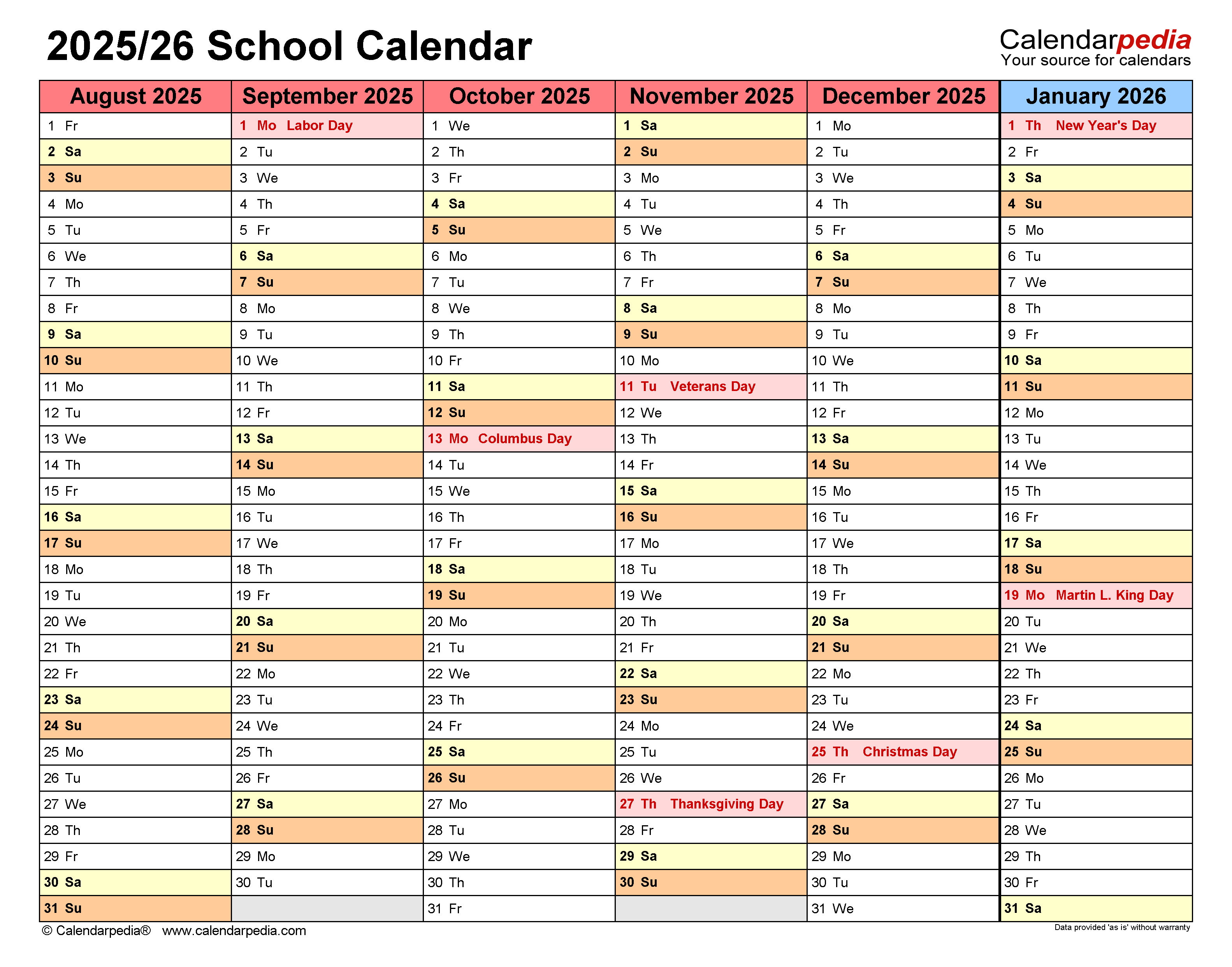
Students at Ivy Tech Community College often juggle classes, work, and personal commitments. Without a clear understanding of the academic calendar, it’s easy to miss critical deadlines—registration, add/drop, finals, or even the last day to withdraw. The Ivy Tech school calendar isn’t just a list of dates; it's a strategic tool for academic success. Used correctly, it helps students plan semesters, avoid costly mistakes, and balance responsibilities effectively.
This guide cuts through the clutter. You’ll learn how to interpret the official calendar, spot term-specific nuances, and apply the dates to real-world student scenarios.
How to Access the Official Ivy Tech School Calendar
The primary source for all academic dates is the Ivy Tech Community College website. Navigate to “Academics” > “Academic Calendar” to view or download the current and upcoming term schedules. These calendars are published well in advance—typically by spring for the following academic year.
Key features: - Available in downloadable PDF and web formats - Organized by campus and academic term - Includes both main term and accelerated session dates
Not all campuses follow identical timelines. While most academic dates are system-wide, some regional campuses may have slight variations for holidays or campus closures due to local events. Always verify dates specific to your campus, especially if enrolled in hybrid or on-site courses.
Understanding Term Structure and Session Types
Ivy Tech operates on a semester system with three primary terms: Fall, Spring, and Summer. But within these broad terms are multiple session formats designed for flexibility.
Main 16-Week Terms These traditional semesters align with fall (August–December) and spring (January–May). They’re ideal for full-time students following a standard course load and seeking financial aid eligibility.
Accelerated 8-Week Sessions Split into two blocks per semester (Session 1: Aug–Oct, Session 2: Oct–Dec, etc.), these sessions let students focus on fewer courses at a time. They’re popular with working adults or those returning to education.
Example: A student working full-time might take two courses in Session 1 and two in Session 2, reducing weekly workload while maintaining full-time status over the full term.
Summer Term Variations Summer is condensed, often offering 10-week, 8-week, and even 5-week sessions. This allows students to accelerate degree completion or catch up on credits. However, the pace is intense—material from a 16-week course is compressed into half the time.
Common mistake: Underestimating summer course demands. Students often assume “summer school” is easier, but credit hour expectations remain the same. Time management becomes even more critical.
Key Dates Every Student Must Track

The Ivy Tech school calendar marks dozens of dates, but a handful are non-negotiable for academic and financial success.
| Date Type | Why It Matters | Risk of Missing It |
|---|---|---|
| Last Day to Add a Class | Finalize schedule without penalty | Risk of dropped enrollment or delayed start |
| Last Day to Drop with Refund | Full or partial tuition refund eligibility | Lose money if dropping after this date |
| Census Date | Enrollment confirmed for financial aid disbursement | Aid may be delayed or reduced |
| Last Day to Withdraw (W Grade) | Exit course without failing | Failing grade impacts GPA |
| Final Exam Period | Scheduled exam windows for each course | Missing exam = automatic failure |
Example: A student enrolls in a biology course on the first day of class but doesn’t confirm enrollment by the census date. Financial aid isn’t disbursed, leading to an unexpected balance due. This could have been avoided by checking the calendar and ensuring enrollment was active before the deadline.
Planning Your Semester with the Calendar
Treat the Ivy Tech school calendar like a project timeline. Map out key dates on your personal planner or digital calendar. Add reminders two weeks and one week in advance for critical deadlines.
Actionable tip: Use color-coding. - Red: Hard deadlines (drop, withdraw, finals) - Blue: Midterms and major assignments - Green: Breaks and holidays - Yellow: Registration windows for next term
- Realistic workflow:
- Download the academic calendar at the start of each term.
- Identify all session-specific dates for your enrolled courses.
- Enter dates into Google Calendar or Outlook with recurring alerts.
- Share with advisors or academic coaches during check-ins.
Students who integrate the calendar into weekly planning report higher course completion rates and fewer registration errors.
Campus Holidays and Administrative Closures
The Ivy Tech school calendar includes federally recognized holidays (Thanksgiving, Memorial Day) as well as system-wide closures like Winter Break and Spring Break. Classes are suspended on these days, but online coursework may still have due dates.
Important note: Not all holidays apply to every program. For example, some healthcare or technical programs with clinical rotations may require attendance even during college-wide breaks.
Example: A nursing student scheduled for a clinical shift on a campus holiday might assume they’re off. But because clinical sites operate on their own schedules, attendance could still be required. Always verify with your program coordinator.
Winter Break typically runs from mid-December to early January, with limited administrative services. Students needing transcripts, advising, or financial aid support should plan ahead.
Registration and Future Term Planning
One of the most underused functions of the Ivy Tech school calendar is forward planning. Registration windows open months in advance, staggered by student status (new, returning, dual credit).
Typical registration timeline: - Current students: April for Fall, November for Spring - New students: May for Fall, December for Spring - Summer registration: February–March
Pro tip: Register early. High-demand courses—especially general education requirements—fill quickly. Waiting until the last week can force students into inconvenient schedules or delay graduation.
Students on financial aid should also note disbursement dates. Aid is typically released after the census date, so avoid assuming funds will be available on day one. Plan for out-of-pocket expenses during the first few weeks.
Common Calendar Mistakes and How to Avoid Them
Even experienced students trip up on calendar-related errors. Here are the most frequent pitfalls—and how to avoid them.
Mistake 1: Confusing Drop and Withdrawal Deadlines
- Dropping before the refund deadline = no course appears on transcript
- Withdrawing after that = “W” grade, no refund, possible aid impact
Solution: Use the calendar’s deadline tracker and consult an advisor before making changes.
Mistake 2: Overlooking Session-Specific Dates An 8-week summer course may have a drop deadline two weeks into the term, not aligned with the main semester. Missing this throws off financial planning.
Solution: Always check course syllabi and session dates—not just the main term calendar.
Mistake 3: Assuming Online = Flexible Deadlines
While online courses offer location flexibility, due dates, exam windows, and deadlines are fixed. The academic calendar applies equally.
Solution: Print or bookmark the calendar and treat online deadlines like in-person classes.
How Advisors Use the Calendar (And How You Should Too)
Academic advisors at Ivy Tech rely heavily on the calendar when helping students map degree pathways. They use it to: - Recommend course sequences - Identify gaps in enrollment - Align internship or transfer opportunities with term breaks
You should do the same. During advising appointments, bring a copy of the calendar and highlight your current and planned courses. Ask questions like: - “Does this course have a prerequisite I need to complete by the end of this term?” - “Is there enough time to retake a class if I don’t pass this semester?”
Proactive planning reduces the risk of taking unnecessary courses or extending your program timeline.
Final Thoughts: Make the Calendar Work for You
The Ivy Tech school calendar is more than a date list—it’s a foundation for academic discipline. Whether you're a first-time student or returning after a break, treating the calendar as a core tool will keep you on pace for graduation.
Start today: Download the current academic calendar, cross-reference it with your course schedule, and set up alerts. Small actions now prevent big problems later.
Stay ahead. Stay enrolled. Stay on track.
Frequently Asked Questions
Where can I find the official Ivy Tech academic calendar? Visit ivytech.edu, go to “Academics,” then “Academic Calendar” to access downloadable and web versions.
Do all Ivy Tech campuses follow the same calendar? Most dates are system-wide, but some campus-specific closures or events may vary. Always confirm with your local campus.
What’s the difference between dropping and withdrawing from a class? Dropping before the deadline removes the course from your record. Withdrawing after that results in a “W” on your transcript.
When does registration open for the next term? Current students typically register in April (Fall) and November (Spring). New students follow shortly after.
Are online classes on the same schedule as on-campus courses? Most follow the same term and deadline structure, though some online courses may have independent pacing.
Do holidays affect online course deadlines? Generally, no. Online assignments and exams follow the published calendar, even on college holidays.
What happens if I miss the last day to withdraw? You’ll receive a letter grade (likely an F) that counts toward your GPA and could affect financial aid.
FAQ
What should you look for in Ivy Tech School Calendar Essentials for Students? Focus on relevance, practical value, and how well the solution matches real user intent.
Is Ivy Tech School Calendar Essentials for Students suitable for beginners? That depends on the workflow, but a clear step-by-step approach usually makes it easier to start.
How do you compare options around Ivy Tech School Calendar Essentials for Students? Compare features, trust signals, limitations, pricing, and ease of implementation.
What mistakes should you avoid? Avoid generic choices, weak validation, and decisions based only on marketing claims.
What is the next best step? Shortlist the most relevant options, validate them quickly, and refine from real-world results.